Your rope doesn't care where you jump. Your knees and shins definitely do.
The Best Surfaces
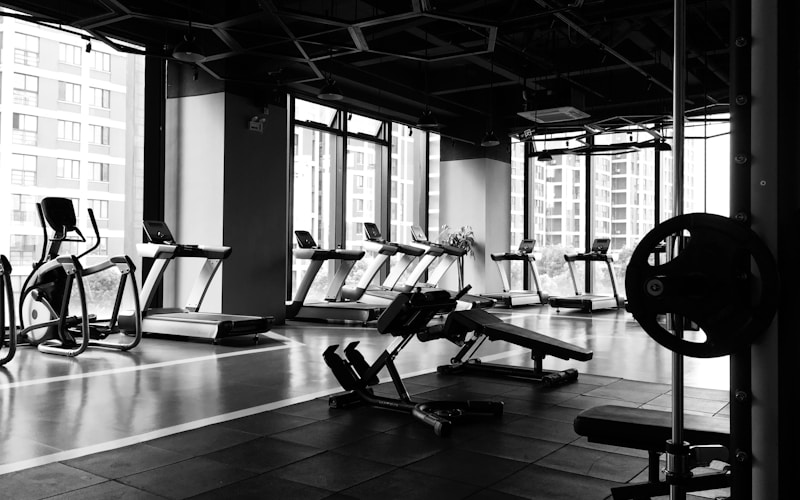
Rubber gym flooring - The gold standard. Absorbs impact, consistent bounce, won't destroy your rope. If your gym has it, use it.
Hardwood floors - Slight give, smooth surface. Great for indoor jumping. Just check it's not slippery.
Rubber mat - Bring your own surface. A simple exercise mat or jump rope mat works anywhere. €20-40 well spent.
Tennis/basketball courts - Outdoor courts have some give. Better than concrete, usually smooth.
Acceptable Surfaces
Short grass - Soft on joints, but uneven. Rope might catch. Good for learning, not for speed work.
Thin carpet - Works in a pinch. Rope may drag slightly.
What to Avoid
Concrete/asphalt - Hard on joints, destroys rope cables fast. If it's your only option, get a mat and quality shoes.
Thick carpet - Rope catches constantly. Frustrating and inconsistent.
Sand - Fun idea, terrible execution. Rope buries itself.
Wet surfaces - Slipping mid-jump is no joke. Wait for dry conditions.
The Mat Solution
If you're jumping at home or outdoors on hard surfaces, invest in a jump rope mat. 6mm+ thickness. It'll save your joints and your rope.
Coach Joaquín's advice: "Protect your body. You only get one set of knees."
The surface you jump on matters almost as much as your technique. Choose wisely, protect your joints, and you'll jump pain-free for years.